
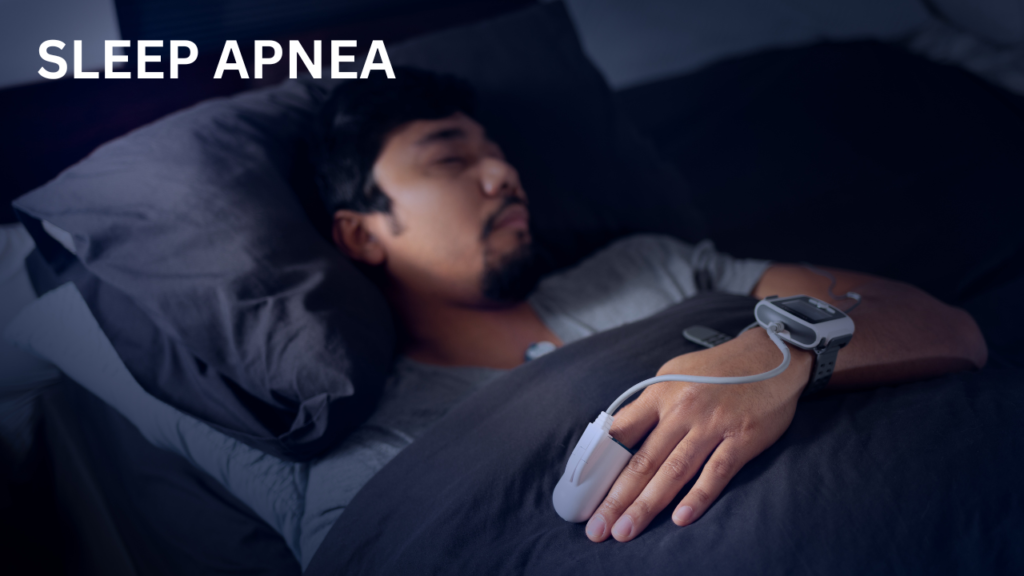
Sleep is meant to be the body’s time to rest and repair—but for many people, it becomes a silent struggle. Sleep Apnea is one such condition that often goes unnoticed, yet significantly impacts overall health and daily life.
What is Sleep Apnea?
Sleep apnea is a sleep disorder where breathing repeatedly stops and starts during sleep. These interruptions can last a few seconds to minutes and may occur multiple times throughout the night. Because it happens while you’re asleep, many people are unaware of it until symptoms worsen or a partner notices the signs.
There are three main types:
- Obstructive Sleep Apnea (OSA): The most common type, caused by airway blockage.
- Central Sleep Apnea: Occurs when the brain fails to send proper signals to breathing muscles.
- Complex Sleep Apnea: A combination of both.
Common Causes of sleep Apnea ?
Sleep apnea doesn’t happen without reason—it is usually linked to certain physical or lifestyle factors. Some of the most common causes include:
- Excess weight: Fat deposits around the neck can block the airway.
- Narrow airway structure: Some people naturally have smaller air passages.
- Age and gender: It is more common in older adults and men.
- Smoking and alcohol use: Both relax throat muscles, increasing risk.
- Family history: Genetics can play a role.
Understanding these causes helps in identifying whether you’re at risk and taking preventive steps early.
Signs and Symptoms of Sleep Apnea?
Many symptoms of sleep apnea are often ignored or mistaken for general fatigue. Watch out for:
- Loud snoring
- Episodes of stopped breathing during sleep
- Gasping or choking at night
- Morning headaches
- Excessive daytime sleepiness
- Difficulty concentrating or irritability
If you or someone close to you notices these signs, it’s important to seek medical advice rather than brushing them off.
Health Risks You Shouldn’t Ignore
Sleep apnea is not just about poor sleep—it can have serious long-term health consequences if untreated:
- High blood pressure: Interrupted breathing affects oxygen levels, straining the heart.
- Heart disease: Increased risk of heart attacks and irregular heartbeats.
- Type 2 diabetes: Sleep disruption affects insulin sensitivity.
- Mental health issues: Anxiety, mood swings, and depression are common.
- Reduced productivity: Constant fatigue impacts daily performance and safety.
Ignoring sleep apnea can gradually affect multiple systems in the body, making early diagnosis crucial.
Treatment Options
The good news is that sleep apnea is manageable with the right approach. Treatment depends on severity and underlying causes.
1. Lifestyle Changes
For mild cases, simple adjustments can make a big difference:
- Losing weight
- Avoiding alcohol and smoking
- Sleeping on your side instead of your back
2. CPAP Therapy (Continuous Positive Airway Pressure)
This is the most common and effective treatment. A CPAP machine delivers steady air pressure through a mask, keeping airways open during sleep.
3. Oral Appliances
Custom-made devices can help reposition the jaw and tongue to keep the airway clear.
4. Surgical Options
In severe cases, surgery may be recommended to remove excess tissue or correct structural issues.
Final Thoughts
Sleep apnea is more common than people think, yet many continue to live with it unknowingly. If you experience persistent tiredness despite a full night’s sleep, or if your snoring has become a concern, don’t ignore it.
Early diagnosis and proper treatment can dramatically improve your quality of life, energy levels, and overall health. Consulting a qualified professional can help you take the first step toward better sleep and a healthier life.
Want to understand the connection between sleep disorders and heart health? Explore our detailed guide on How Sleep Apnea Increases the Risk of Heart Disease to learn how early diagnosis and treatment can protect your cardiovascular health.