
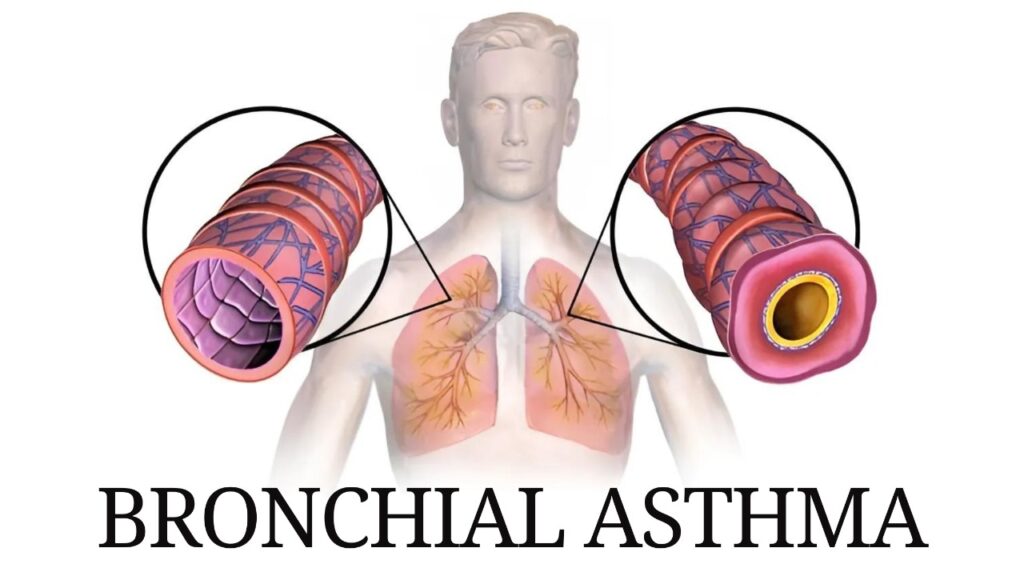
Bronchial asthma is a chronic respiratory condition that causes inflammation and narrowing of the airways, making breathing difficult. People with asthma may experience coughing, wheezing, chest tightness and shortness of breath. In Jodhpur, exposure to dust, pollen, air pollution, seasonal changes and other environmental triggers may worsen symptoms in susceptible individuals.
With an accurate diagnosis and an appropriate treatment plan, most people with asthma can manage their symptoms and maintain an active lifestyle. Dr. Sumita Agrawal, Consultant in Pulmonary, Critical Care and Sleep Medicine in Jodhpur, provides specialised evaluation and management of respiratory conditions, including bronchial asthma.
What Are the Common Symptoms of Bronchial Asthma?
Asthma symptoms can vary from person to person. They may appear occasionally or become more frequent depending on individual triggers and the level of airway inflammation.
Common symptoms include:
- Persistent Cough: A recurring cough, particularly at night or early in the morning.
- Wheezing: A whistling sound while breathing, especially when breathing out.
- Shortness of Breath: Difficulty breathing during physical activity or even at rest in more severe episodes.
- Chest Tightness: A feeling of pressure or tightness in the chest.
- Breathing Difficulties at Night: Symptoms that interrupt sleep or become more noticeable during the night.
Recognising these symptoms early and seeking medical evaluation can help identify asthma and determine an appropriate management approach.
What Triggers Asthma Symptoms?
Asthma symptoms can worsen when a person comes into contact with certain environmental or personal triggers. These triggers differ between individuals.
Common asthma triggers include:
- Dust and Dust Mites: Household dust and dust mites may trigger allergic reactions in sensitive individuals.
- Pollen and Mould: Airborne pollen and mould spores can worsen respiratory symptoms.
- Air Pollution: Smoke, vehicle emissions and airborne pollutants may irritate the airways.
- Weather Changes: Cold air, seasonal changes and sudden temperature variations may trigger symptoms.
- Respiratory Infections: Viral infections, including common colds, can worsen asthma.
- Physical Activity: Exercise may trigger breathing symptoms in some people, particularly when asthma is not well controlled.
In Jodhpur, environmental dust and seasonal variations may be relevant triggers for some individuals. Identifying personal triggers is an important part of asthma management.
How Is Bronchial Asthma Diagnosed?
Asthma diagnosis involves evaluating a patient’s symptoms, medical history and lung function. Since similar symptoms can occur in other respiratory conditions, proper assessment is important.
A pulmonologist may recommend the following investigations:
1. Pulmonary Function Test (PFT)
Pulmonary Function Tests assess how well the lungs work by measuring airflow, lung capacity and other aspects of respiratory function.
2. Spirometry
Spirometry measures how much air a person can breathe out and how quickly they can do so. It may also be performed before and after using a bronchodilator to assess changes in airflow.
3. Allergy Evaluation
When an allergic trigger is suspected, appropriate allergy tests may help identify specific sensitivities.
4. Additional Investigations
Depending on the symptoms and clinical findings, a doctor may recommend other investigations to assess inflammation or rule out alternative respiratory conditions.
The choice of tests depends on the patient’s age, symptoms and medical history.
What Are the Treatment Options for Bronchial Asthma?
Asthma treatment focuses on controlling airway inflammation, reducing symptoms and preventing future flare-ups. The treatment plan depends on the severity of asthma, symptom frequency, lung function and individual medical needs.
Common treatment approaches include:
1. Inhaled Medications
Inhalers are an important part of asthma management. Depending on the prescribed treatment plan, they may contain medicines that reduce airway inflammation, relieve symptoms or provide both effects.
2. Anti-Inflammatory Treatment
Inhaled corticosteroid-containing treatments help control airway inflammation and reduce the risk of asthma exacerbations. The choice of medication and its use should be determined by a qualified doctor.
3. Trigger Management
Identifying and reducing exposure to personal asthma triggers can help improve symptom control. This may include limiting exposure to dust, smoke, pollen and other known irritants.
4. Regular Monitoring
Follow-up consultations and lung function assessments, when indicated, help doctors evaluate treatment response and make necessary adjustments.
Patients should follow their prescribed treatment plan and should not stop or change asthma medications without medical advice.
What Is Severe Asthma?
Severe asthma is a form of asthma that remains difficult to control despite appropriate treatment and careful medical assessment.
People with severe asthma may experience frequent symptoms, repeated exacerbations or limitations in their daily activities.
Management may involve:
- Reviewing the asthma diagnosis and treatment history.
- Checking inhaler technique and medication adherence.
- Identifying allergies and other contributing conditions.
- Assessing relevant inflammatory markers.
- Considering advanced treatment options, including biologic therapies, for eligible patients.
Targeted treatments, such as anti-IgE and anti-IL-5 therapies, may be considered in selected patients after specialist evaluation. These treatments are not suitable for everyone.
When Should You Consult a Pulmonologist for Asthma?
Consider consulting a pulmonologist if you experience:
- Repeated episodes of coughing or wheezing.
- Frequent breathlessness or chest tightness.
- Asthma symptoms that disturb your sleep.
- Increasing difficulty controlling symptoms.
- Recurrent asthma flare-ups.
- Limited improvement with your current treatment.
If someone experiences severe breathing difficulty, cannot speak comfortably because of breathlessness, or has rapidly worsening symptoms, seek emergency medical care immediately.
Early medical evaluation can help identify the cause of respiratory symptoms and guide appropriate treatment.
Asthma Care with Dr. Sumita Agrawal in Jodhpur
Dr. Sumita Agrawal is a Consultant in Pulmonary, Critical Care and Sleep Medicine in Jodhpur, with specialised training in pulmonary medicine and respiratory care.
She holds an MBBS and MD in Medicine, MRCP (UK), and DM in Pulmonary and Critical Care Medicine. Her clinical expertise includes asthma, COPD, interstitial lung diseases, sleep-related breathing disorders and other respiratory conditions.
Her approach to asthma care involves evaluating symptoms, assessing lung function where required, identifying contributing factors and developing an individualised management plan.
Patients looking for asthma treatment in Jodhpur can consult Dr. Sumita Agrawal for evaluation and guidance regarding bronchial asthma and other respiratory concerns.
Frequently Asked Questions About Asthma Treatment
1. Who should I consult for asthma treatment in Jodhpur?
A qualified pulmonologist can evaluate asthma symptoms, confirm the diagnosis and recommend an appropriate management plan. Dr. Sumita Agrawal provides specialised pulmonary care in Jodhpur.
2. What are the early warning signs of bronchial asthma?
Common warning signs include recurring cough, wheezing, chest tightness and shortness of breath. Symptoms may become more noticeable at night, during exercise or after exposure to specific triggers.
3. Can dust and pollution worsen asthma?
Yes. Dust, smoke, air pollution and other airborne irritants can worsen asthma symptoms in susceptible individuals. Identifying personal triggers can help improve symptom management.
4. Which tests are used to diagnose asthma?
Spirometry and other pulmonary function tests are commonly used to assess airflow and lung function. Depending on the patient’s symptoms, allergy testing and additional investigations may also be recommended.
5. Can severe asthma be managed with advanced treatments?
Yes. Selected patients with severe asthma may benefit from advanced treatments such as biologic therapies. A pulmonologist evaluates the patient’s condition and determines whether these treatments are appropriate.
Consult Dr. Sumita Agrawal for Asthma Care in Jodhpur
If you are experiencing recurring cough, wheezing, chest tightness or breathing difficulties, seek an appropriate medical evaluation.
Consult Dr. Sumita Agrawal for specialised pulmonary care and personalised guidance for managing bronchial asthma.
Phone: +91 9660054877