
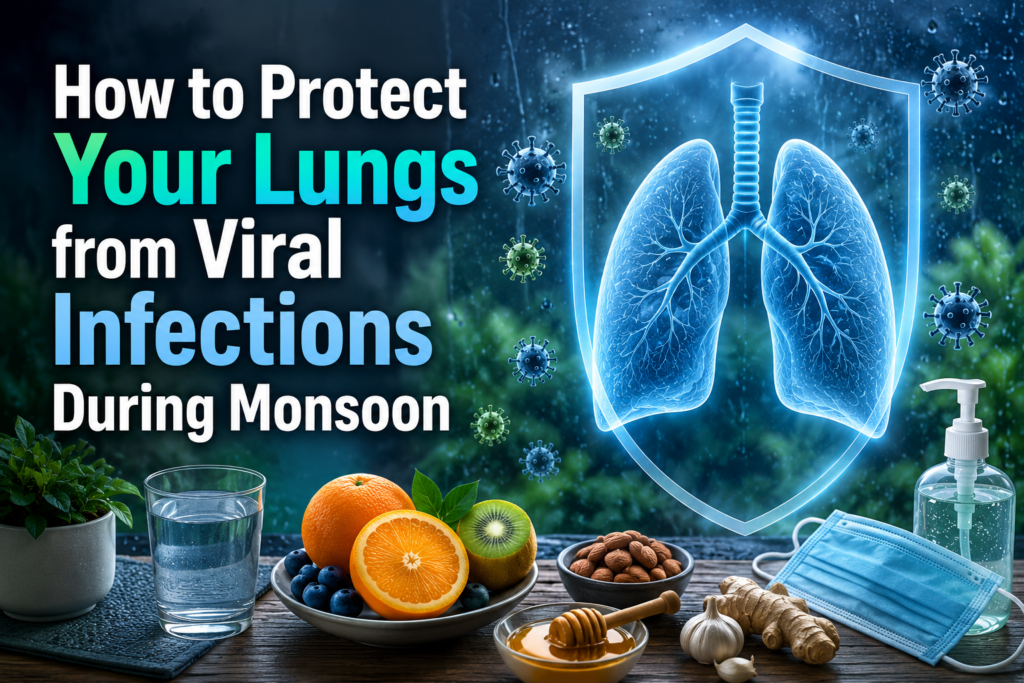
Expert Advice from Dr. Sumita Agrawal | Pulmonologist & Chest Specialist in Jodhpur
The monsoon season brings much-needed relief from the intense summer heat in Jodhpur, but it also creates favorable conditions for viruses, bacteria, and allergens to multiply. Increased humidity, fluctuating temperatures, and damp surroundings can significantly increase the risk of respiratory infections. While most people associate monsoon illnesses with fever or stomach infections, lung health is equally vulnerable during this time of the year.
If you or your family members frequently experience cough, breathlessness, chest congestion, or recurring respiratory infections during the rainy season, taking preventive measures early can help avoid serious complications.
As one of the leading Pulmonologists and Critical Care Specialists in Jodhpur, Dr. Sumita Agrawal advises that maintaining healthy lungs is one of the most effective ways to reduce the risk of viral respiratory infections. With extensive expertise in Pulmonary Medicine, Critical Care, and Sleep Medicine, she provides comprehensive diagnosis and treatment for conditions such as asthma, COPD, pneumonia, tuberculosis, interstitial lung disease (ILD), sleep apnea, and other respiratory disorders.
Why Are Viral Lung Infections More Common During the Monsoon?
The rainy season creates an environment where viruses can survive and spread more easily. High humidity allows microorganisms to remain active for longer periods, while damp indoor spaces encourage the growth of mold, fungi, and dust mites. Since people tend to spend more time indoors during heavy rains, close contact further increases the spread of respiratory viruses.
Common viral respiratory infections seen during the monsoon include:
- Common Cold
- Influenza (Flu)
- Viral Bronchitis
- Viral Pneumonia
- Respiratory Syncytial Virus (RSV)
- COVID-19 and seasonal viral infections
Individuals who are at a higher risk include:
- Asthma patients
- COPD patients
- Senior citizens
- Young children
- Diabetic patients
- Individuals with weakened immunity
- Patients with chronic lung diseases
Early Symptoms You Should Never Ignore
Most viral respiratory infections begin with mild symptoms but can worsen if left untreated.
Watch for warning signs such as:
- Persistent cough lasting more than a few days
- Fever with chills
- Sore throat
- Chest congestion
- Shortness of breath
- Wheezing
- Excessive mucus production
- Chest pain while coughing
- Fatigue and body weakness
If these symptoms persist for more than a few days or become severe, consult a pulmonologist promptly.
10 Effective Ways to Protect Your
Lungs During Monsoon
1. Practice Good Hand Hygiene
Wash your hands frequently with soap and water for at least 20 seconds, especially after returning home or touching frequently used surfaces. Proper hand hygiene helps prevent viruses from entering your body through the nose, eyes, or mouth.
2. Wear a Mask in Crowded Places
Hospitals, public transport, shopping markets, and crowded indoor spaces can increase your exposure to respiratory viruses. Wearing a well-fitted mask provides an extra layer of protection.
3. Stay Well Hydrated
Drinking enough water keeps the respiratory tract moist, making it easier for your lungs to remove mucus, dust particles, and harmful microorganisms.
4. Improve Indoor Air Quality
Keep your home clean, dry, and well-ventilated. Regularly clean air conditioners, exhaust fans, and humid areas to prevent mold growth, which can trigger allergies and asthma attacks.
5. Avoid Smoking and Passive Smoking
Smoking damages the lungs’ natural defense system, making viral infections more severe and slowing recovery. Avoid exposure to second-hand smoke as well.
6. Eat Foods That Strengthen Immunity
A balanced diet plays a crucial role in protecting your respiratory health. Include:
- Citrus fruits
- Amla
- Green leafy vegetables
- Fresh seasonal fruits
- Nuts and seeds
- Protein-rich foods
- Foods rich in Vitamin C, Vitamin D, Zinc, and antioxidants
A strong immune system is your body’s first line of defense against infections.
7. Exercise Regularly
Regular physical activity improves lung capacity and overall respiratory health. Walking, yoga, and breathing exercises are excellent options during the monsoon. However, avoid outdoor exercise during heavy rainfall or poor air quality.
8. Stay Updated with Vaccinations
Seasonal influenza and pneumococcal vaccines can reduce the risk of serious respiratory infections, especially in elderly individuals and patients with chronic lung diseases. Consult your pulmonologist to know whether these vaccines are recommended for you.
9. Manage Existing Lung Conditions Properly
Patients suffering from asthma, COPD, ILD, or chronic bronchitis should continue taking prescribed inhalers and medications without interruption during the rainy season. Never stop medications without consulting your doctor.
10. Seek Medical Care Early
Avoid self-medicating with antibiotics, as most viral infections do not respond to them. A proper diagnosis helps determine whether the infection is viral, bacterial, or allergy-related, ensuring appropriate treatment.
Who Needs Extra Protection During Monsoon?
Certain individuals are more vulnerable to severe respiratory infections, including:
- Senior citizens
- Children
- Pregnant women
- Asthma patients
- COPD patients
- Smokers
- Patients with diabetes
- Individuals with heart disease
- People with weakened immunity
- Those recovering from recent respiratory illnesses
If you fall into any of these categories, preventive care is especially important.
When Should You Consult a Pulmonologist?
Do not ignore persistent respiratory symptoms. Seek immediate medical attention if you experience:
- Increasing breathlessness
- Fever lasting more than 2–3 days
- Persistent cough for over two weeks
- Blood in sputum
- Wheezing that does not improve
- Chest pain
- Low oxygen saturation
- Frequent respiratory infections
Early diagnosis and timely treatment can prevent complications such as pneumonia and hospitalization.
Protect Your Family’s Lung Health This Monsoon
A healthy lifestyle combined with preventive care can significantly reduce your risk of viral respiratory infections during the monsoon. Simple habits like maintaining good hygiene, eating a nutritious diet, staying physically active, avoiding smoking, and seeking timely medical care can go a long way in protecting your lungs.
If you or your loved ones experience persistent cough, breathlessness, wheezing, or recurrent chest infections during the rainy season, consult Dr. Sumita Agrawal, an experienced Pulmonologist, Chest Specialist, and Critical Care Physician in Jodhpur. She offers comprehensive evaluation and advanced treatment for asthma, COPD, pneumonia, tuberculosis, ILD, sleep disorders, and other respiratory conditions, helping patients breathe better and live healthier.
Frequently Asked Questions (FAQs)
Can monsoon weather trigger asthma attacks?
Yes. Increased humidity, mold spores, dust mites, and viral infections during the monsoon can trigger or worsen asthma symptoms.
Is every cough during the monsoon caused by a viral infection?
No. A cough may also result from allergies, bacterial infections, asthma, pollution, acid reflux, or other lung diseases. Proper medical evaluation is necessary to determine the exact cause.
Can viral infections lead to pneumonia?
Yes. Certain viral infections can progress to viral pneumonia, particularly in older adults, young children, and individuals with weakened immune systems.
How can I naturally improve my lung immunity?
Maintain a balanced diet, stay physically active, drink adequate water, sleep for 7–8 hours, avoid smoking, manage stress, and follow your doctor’s advice regarding vaccinations and chronic disease management.
Which doctor should I consult for persistent cough or breathlessness in Jodhpur?
If you have persistent cough, wheezing, breathlessness, chest pain, or recurrent respiratory infections, consult Dr. Sumita Agrawal, an experienced Pulmonologist and Chest Specialist in Jodhpur, for expert diagnosis and personalized treatment.