
introduction
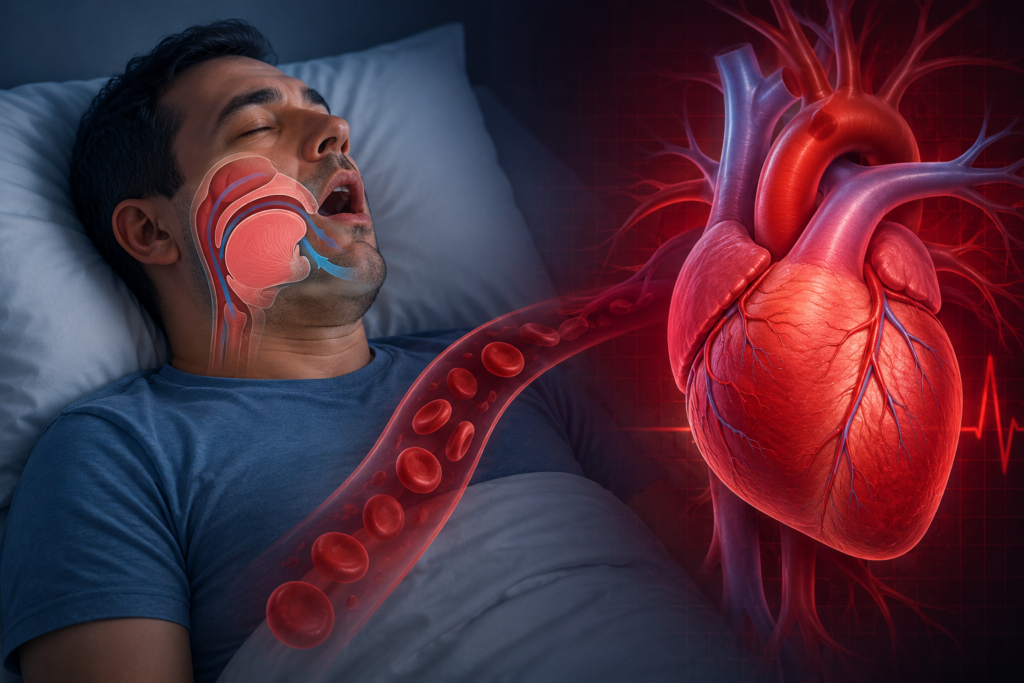
Many people think of sleep apnea as nothing more than loud snoring or a poor night’s sleep. However, this common sleep disorder can have a serious impact on your overall health—especially your heart. Sleep apnea causes repeated pauses in breathing while you sleep. These interruptions lower the oxygen levels in your blood and prevent you from getting deep, restful sleep. Over time, the constant strain on your body can increase your risk of several heart-related conditions.
How Sleep Apnea Affects the Heart
When breathing stops during sleep, the brain quickly detects the drop in oxygen and briefly wakes the body to restart breathing. Most people don’t remember these awakenings, but they can happen dozens or even hundreds of times each night.This repeated cycle keeps your body in a constant state of stress. As a result, stress hormones are released more frequently, causing your heart rate and blood pressure to rise.
Low Oxygen Levels and High Blood Pressure
Every time your oxygen levels drop, your heart has to work harder to deliver oxygen-rich blood throughout the body. Over time, this extra effort can lead to high blood pressure, also known as hypertension. People with untreated sleep apnea are more likely to develop persistent or difficult-to-control high blood pressure, which can place even more strain on the heart.
Increased Risk of Heart Disease and Stroke
The effects of untreated sleep apnea go beyond high blood pressure. Research has shown that it may increase the risk of irregular heart rhythms, coronary artery disease, heart attacks, heart failure, and stroke. Poor sleep quality, repeated drops in oxygen levels, and ongoing inflammation can damage blood vessels and make it harder for the heart to function properly.
Common Signs of Sleep Apnea
Some of the most common symptoms of sleep apnea include loud snoring, gasping or choking during sleep, waking up with headaches, feeling excessively tired during the day, difficulty concentrating, and waking up feeling unrested even after a full night’s sleep. Certain factors, such as excess weight, smoking, alcohol use, and a family history of sleep apnea, can increase the risk of developing the condition.
Simple Ways to Reduce the Risk
Making healthy lifestyle changes can help reduce the severity of sleep apnea symptoms. Maintaining a healthy weight, exercising regularly, avoiding alcohol before bedtime, and sleeping on your side may improve breathing during sleep. Treatment options such as continuous positive airway pressure (CPAP) therapy, oral appliances, and other medical interventions can significantly improve sleep quality and help protect your heart health.
When to See a Doctor
You should speak with a healthcare professional if you or your partner notice loud snoring, pauses in breathing during sleep, excessive daytime fatigue, morning headaches, or difficulty concentrating.
Seek medical attention promptly if these symptoms are accompanied by chest pain, shortness of breath, an irregular heartbeat, or high blood pressure.
Getting diagnosed and treated early can improve your sleep, protect your heart, and reduce the risk of serious long-term health complications.