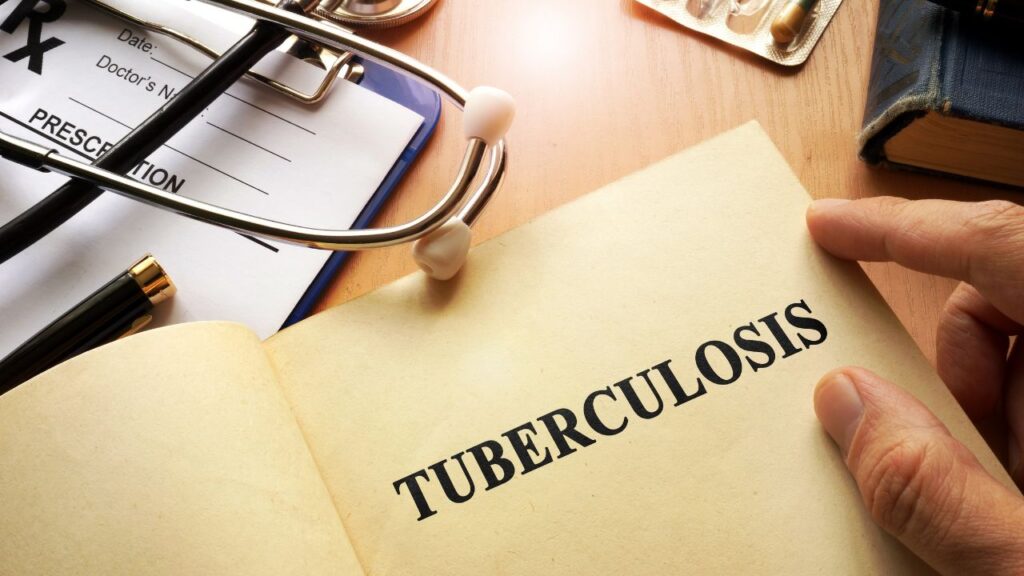
Tuberculosis (TB) is an infectious disease caused by Mycobacterium tuberculosis, a bacterium that most commonly affects the lungs. However, it can also affect other parts of the body, including the lymph nodes, bones, kidneys and brain. Recognising the symptoms and seeking timely medical evaluation can help people receive appropriate care.
Although tuberculosis remains a significant public health concern, TB is preventable and curable in many cases with appropriate medical care and completion of the prescribed treatment. Understanding how TB spreads, how it is diagnosed and what treatment involves can help individuals make informed decisions about their health.
What Is Tuberculosis (TB)?
Tuberculosis is an infectious disease that spreads primarily through the air when a person with infectious TB disease in the lungs or throat releases bacteria into the air. Others may become infected by breathing in these bacteria.
TB infection does not always lead to active disease. Some people have TB infection without symptoms, while others develop active TB disease when the bacteria multiply and affect the body.
TB is not spread through every type of everyday contact. Sharing food, shaking hands or touching ordinary household objects is not considered the usual route of transmission.
What Are the Common Symptoms of Tuberculosis?
The symptoms of tuberculosis depend on the part of the body affected. Pulmonary TB, which affects the lungs, may develop gradually, and symptoms can sometimes be mistaken for other respiratory illnesses.
Common symptoms include:
-
A persistent cough, particularly one lasting two weeks or longer
-
Coughing up sputum, sometimes containing blood
-
Chest pain or discomfort
-
Fever, including a rise in temperature in the evening
-
Night sweats
-
Unexplained weight loss
-
Reduced appetite
-
Fatigue, weakness or a general lack of energy
Not everyone experiences all these symptoms. Some people with TB may have mild symptoms, and others may have symptoms affecting organs outside the lungs.
When should you seek medical advice?
If you have a persistent cough, unexplained fever, night sweats or other concerning symptoms, consult a qualified healthcare professional. These symptoms do not automatically mean you have TB, but they should not be ignored. Prompt evaluation helps identify the cause and determine whether testing is needed.
What Are the Different Types of Tuberculosis?
Tuberculosis can be classified according to whether the infection is active or inactive and according to the part of the body affected.
1. Pulmonary Tuberculosis
Pulmonary TB affects the lungs and is one of the most common forms of the disease. Symptoms may include a persistent cough, chest discomfort, fever, night sweats and unexplained weight loss.
Infectious pulmonary TB can spread through the air. Appropriate diagnosis, treatment and infection-control measures are important to reduce transmission.
2. Extrapulmonary Tuberculosis
Extrapulmonary TB occurs when the disease affects parts of the body outside the lungs. It may involve the lymph nodes, bones and joints, kidneys, abdomen or central nervous system.
Symptoms vary according to the affected organ. For example, lymph node TB may cause swelling, while bone or spinal TB may cause persistent pain. These symptoms can have several causes, so medical assessment and appropriate investigations are necessary.
3. Latent TB Infection and Active TB Disease
In TB infection, the immune system may control the bacteria without causing symptoms of active disease. This is often described as latent TB infection. People with latent TB infection generally do not feel ill and do not transmit TB.
Active TB disease develops when the bacteria multiply and cause illness. Active TB requires medical evaluation and appropriate treatment. A healthcare professional can determine whether testing for TB infection, evaluation for active disease or preventive treatment is appropriate.
How Is Tuberculosis Diagnosed?
Diagnosing TB involves assessing symptoms, medical history, possible exposure and appropriate investigations. The tests recommended depend on the person’s age, symptoms, suspected site of infection and clinical circumstances.
Common investigations may include:
Sputum Testing
A sputum sample may be examined to look for evidence of TB bacteria. Molecular tests can help detect TB and, in certain cases, identify resistance to specific medicines. Culture and other laboratory investigations may also be used when indicated.
Chest X-ray
A chest X-ray can identify lung changes that may be associated with TB. However, an X-ray alone does not always confirm the diagnosis. The findings must be interpreted alongside symptoms and other investigations.
Tests for Extrapulmonary TB
When TB is suspected outside the lungs, the clinician may recommend tests on samples from the affected area. Depending on the suspected organ, these may include imaging, fluid or tissue sampling, molecular testing or biopsy.
Tests for TB Infection
A tuberculin skin test or an interferon-gamma release assay may help identify TB infection in appropriate circumstances. These tests do not, by themselves, establish whether a person has active TB disease.
The choice of investigations should be guided by a qualified healthcare professional. Testing for drug resistance is also important when indicated because it can influence treatment decisions.
Is Tuberculosis Curable?
Yes, tuberculosis is curable in many cases when the correct treatment is selected and completed under medical supervision. The treatment approach depends on the type of TB, the results of diagnostic tests, drug susceptibility and the person’s overall health.
Drug-resistant TB requires a different treatment approach from drug-susceptible TB. Some cases may also need specialist care or additional monitoring.
Early diagnosis and appropriate treatment improve the likelihood of recovery and help reduce the risk of transmission. However, outcomes vary, and treatment must be tailored to each person’s clinical circumstances.
How Is Tuberculosis Treated?
TB is treated with a combination of medicines selected according to current clinical guidelines and the individual’s test results. The treatment regimen and duration vary depending on whether the person has TB infection or active TB disease, the type of TB and whether drug resistance is present.
Patients should:
-
Take prescribed medicines exactly as directed.
-
Attend follow-up appointments and recommended investigations.
-
Inform their healthcare professional about possible side effects or new symptoms.
-
Avoid stopping or changing medicines without medical advice.
-
Follow the recommended precautions to reduce the spread of infection.
Stopping treatment early or taking medicines inconsistently can contribute to treatment failure and drug resistance. People receiving TB treatment should have access to appropriate clinical monitoring and support throughout their care.
For more information about treatment approaches, read our related guide: Tuberculosis Cure and Treatment in India: What You Need to Know.
How Can Tuberculosis Be Prevented?
Preventing TB involves identifying infection early, providing appropriate treatment and reducing exposure to infectious bacteria.
Helpful measures include:
-
Seeking medical evaluation when symptoms suggest possible TB.
-
Following testing and screening recommendations after significant exposure.
-
Maintaining good ventilation in indoor spaces.
-
Following respiratory hygiene and infection-control advice provided by healthcare professionals.
-
Completing prescribed treatment for TB disease or preventive treatment when recommended.
-
Following public health guidance regarding contact evaluation and household precautions.
People who have been in close contact with someone diagnosed with infectious TB should ask a healthcare professional whether screening or further evaluation is appropriate.
Who May Have a Higher Risk of Developing TB Disease?
Anyone can develop TB, but certain factors increase the likelihood that TB infection will progress to active disease.
These include a weakened immune system, HIV infection, diabetes, undernutrition and certain medical treatments or conditions that affect immunity. Close contact with someone who has infectious TB can also increase the likelihood of exposure.
People with relevant risk factors may benefit from medical advice about screening, prevention and early evaluation. Risk factors alone do not mean that a person has TB.
When Should You Consult a Pulmonologist?
Consider consulting a healthcare professional if you have a persistent cough, unexplained fever, night sweats, ongoing fatigue, unexplained weight loss or other symptoms that concern you. Medical evaluation is particularly important if you have been exposed to someone with infectious TB or have a condition that increases your risk.
A pulmonologist can assess respiratory symptoms, review relevant investigations and help determine whether further testing or treatment is needed. Suspected extrapulmonary TB may also require assessment by other specialists, depending on the organ involved.
Looking for medical guidance for persistent respiratory symptoms? You can learn more about Dr. Sumita Agrawal and her medical practice and arrange a consultation through the clinic’s official contact channels.
Do not wait for symptoms to become severe before seeking medical advice. Early assessment can help clarify the cause of symptoms and guide appropriate care.
Frequently Asked Questions About Tuberculosis
1. What is the main cause of tuberculosis?
Tuberculosis is caused by the bacterium Mycobacterium tuberculosis. It most commonly affects the lungs and spreads through the air from people with infectious TB disease in the lungs or throat.
2. Can tuberculosis occur without a cough?
Yes. TB affecting organs outside the lungs may cause symptoms unrelated to coughing. Some people with pulmonary TB may also have few or no obvious symptoms. Medical evaluation is important when TB is suspected.
3. Is tuberculosis contagious?
Some forms of active TB, particularly infectious TB affecting the lungs or throat, can spread through the air. Latent TB infection does not usually cause symptoms and is not contagious. The risk of transmission depends on the clinical circumstances and should be assessed by a healthcare professional.
4. How is tuberculosis confirmed?
Diagnosis depends on clinical assessment and appropriate investigations. Molecular tests, sputum examination and culture may be used for pulmonary TB, while other samples and investigations may be required for extrapulmonary TB. A chest X-ray alone is not sufficient to confirm every case.
5. Can tuberculosis affect parts of the body other than the lungs?
Yes. Extrapulmonary TB can affect areas such as the lymph nodes, bones, joints, kidneys, abdomen and central nervous system. The symptoms and diagnostic approach depend on the affected organ.
6. Can TB return after treatment?
TB can recur in some people after treatment. New exposure or relapse may be possible, and the risk varies according to individual circumstances. Persistent or returning symptoms should be assessed by a healthcare professional rather than assumed to be TB.
7. What should someone do after close contact with a person who has TB?
They should seek advice from a healthcare professional or local TB service about whether screening or testing is needed. Recommendations depend on the type of TB, the nature of the exposure and individual risk factors.
Conclusion
Tuberculosis is a serious but preventable and curable disease in many cases. Recognising possible symptoms, understanding the difference between TB infection and active disease, and seeking appropriate testing can help people receive timely care.
Diagnosis and treatment should always be guided by qualified healthcare professionals and current clinical recommendations. Completing the prescribed treatment and following appropriate infection-control advice are important for recovery and reducing transmission.
Have concerns about a persistent cough or other symptoms that may need medical assessment? Contact a qualified healthcare professional to discuss your symptoms and the next appropriate steps.